
Published January 16, 2026
Why Natural Light Enhances Home Appeal

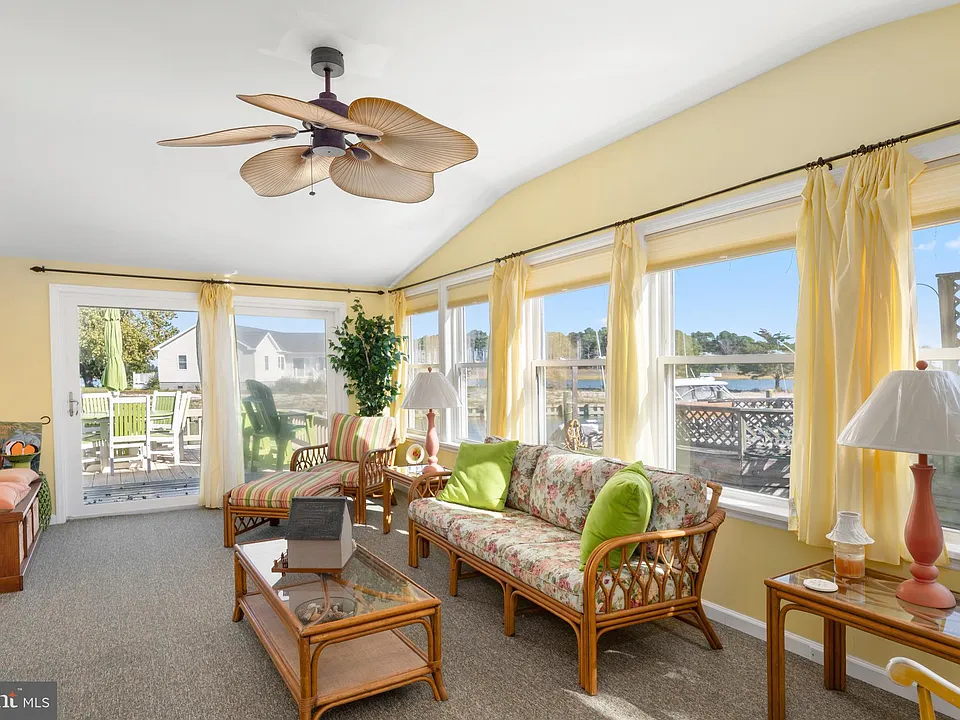
Natural light is one of the most powerful and most underestimated elements in real estate. Long before buyers notice finishes or square footage, they react to how a home feels. Bright interiors feel open, welcoming, and emotionally uplifting, while dark spaces often feel smaller and less inviting, even when they are well designed.
In Coastal Delaware, where lifestyle and environment matter deeply, natural light carries even more weight. It reinforces the relaxed, coastal atmosphere buyers are seeking and enhances nearly every design choice inside the home.
How Natural Light Shapes First Impressions
When buyers step into a sunlit home, their reaction is often immediate and emotional. Rooms feel larger, ceilings feel higher, and spaces feel easier to live in. Natural light highlights architectural details, textures, and finishes in a way artificial lighting cannot replicate.
In coastal markets, light works especially well with popular design choices such as light woods, neutral walls, soft blues, and natural materials. Sunlight brings these elements to life, creating the fresh, modern coastal aesthetic buyers associate with the Delaware coast.
Homes that lack natural light often struggle to make the same impression, regardless of upgrades or staging.
Why Buyers Prioritize Bright Homes
Buyers are increasingly lifestyle-driven. They want homes that support wellness, productivity, and comfort. Natural light plays a direct role in all three. Sunlit spaces tend to feel more cheerful and less confined. Kitchens feel more inviting, living rooms feel more relaxing, and home offices feel more productive.
There is also a practical benefit. Homes with ample daylight rely less on artificial lighting during the day, which can reduce energy use. In winter months, sunlight can help warm interior spaces naturally.
Orientation and Window Placement Matter
When evaluating homes, buyers benefit from paying attention to orientation and window placement. South-facing rooms typically receive light throughout the day, while east-facing rooms capture bright morning sun. West-facing spaces glow in the afternoon and early evening, while north-facing rooms tend to have softer, more consistent light.
It’s also important to consider what might block that light. Mature trees, neighboring buildings, or poorly placed fences can limit brightness. Touring homes at different times of day helps buyers understand how light moves through the space.
How Sellers Can Maximize Natural Light
Maximizing natural light doesn’t require major renovation. Simple adjustments can make a noticeable difference. Trimming shrubs or tree branches that block windows instantly improves brightness. Replacing heavy drapes with light, sheer curtains allows sunlight to filter through while maintaining privacy.
Interior choices matter as well. Light, neutral paint reflects sunlight better than darker colors. Mirrors placed strategically can bounce light into darker corners. Clean windows inside and out ensure nothing dulls the view or reduces clarity.
These small changes help rooms feel larger, brighter, and more appealing in both photos and showings.
Natural Light and Emotional Well-Being
Beyond aesthetics, natural light influences how people feel in a space. Bright kitchens invite cooking and gathering. Sunny living rooms encourage relaxation. Well-lit bedrooms feel calm rather than heavy. Homes that support natural rhythms often feel easier to live in day after day.
Recognizing the value of natural light helps buyers choose homes that support long-term happiness, not just visual appeal.
FAQs
Why do buyers prioritize natural light so strongly?
Because it improves mood, highlights design, and makes spaces feel larger and more welcoming.
Can sellers improve natural light without remodeling?
Yes. Window treatments, landscaping, paint colors, and mirrors make a significant impact.
Does natural light affect resale value?
Homes with good natural light often sell faster and attract stronger interest.