
Published January 18, 2026
How Floor Plan Flow Impacts Daily Living

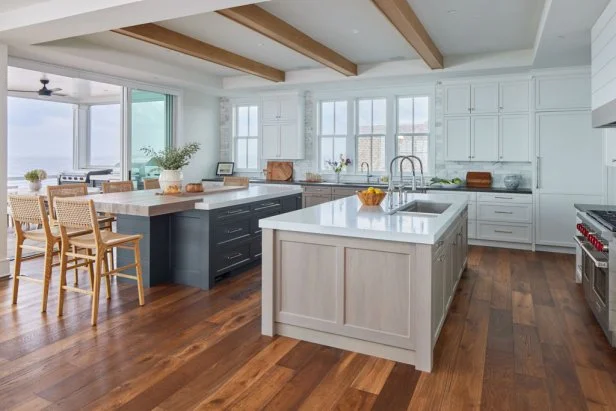
A home’s floor plan influences how it feels to live there every single day. Even beautifully finished homes can feel awkward if the layout doesn’t support natural movement, privacy, and connection.
In Coastal Delaware, buyers increasingly prioritize layouts that feel intuitive, open, and adaptable.
Why Flow Matters More Than Square Footage
Flow refers to how easily you move through a home. Smooth transitions between rooms reduce friction in daily routines. Cooking, entertaining, working from home, and relaxing all feel easier when spaces connect logically.
Homes with poor flow often feel smaller than they are, while well-designed layouts maximize usable space without adding square footage.
Open Living and Modern Lifestyles
Open kitchens that connect to dining and living areas are especially popular. They allow homeowners to cook while socializing, supervise children, or entertain guests without isolation.
Clear sightlines create a sense of connection while still allowing each area to serve its purpose.
Flexible Spaces Add Long-Term Value
Flexible rooms dens, lofts, bonus rooms allow homes to evolve with changing needs. A space that functions as a home office today might become a guest room or hobby space later.
Main-level bedrooms also appeal to buyers thinking long-term, offering accessibility and convenience.
Supporting Daily Routines
Good flow supports everyday tasks. Easy paths from garage to kitchen make unloading groceries simple. Well-placed laundry rooms reduce unnecessary trips. Dedicated entryways help manage clutter.
Outdoor connections also matter. Sliding doors to patios or decks encourage indoor-outdoor living and make homes feel larger.
Evaluating Flow as a Buyer
When touring homes, buyers should imagine their routines. How will you move through the space? Does the layout support privacy when needed? Can furniture fit comfortably without blocking pathways?
How Sellers Can Highlight Flow
Simplifying furniture placement, removing oversized pieces, and keeping pathways clear helps buyers experience the layout properly. Flow should feel effortless.
FAQs
Does an open floor plan always mean better flow?
Not always. Balance between openness and defined spaces matters.
Do flexible rooms increase value?
They broaden appeal and support long-term usability.
Can flow issues be fixed later?
Some can, but layout changes are often costly it’s best to choose wisely upfront.